Russia-Türkiye talks: From Ukraine to Syria—Key takeaways from Lavrov’s visit


.png)
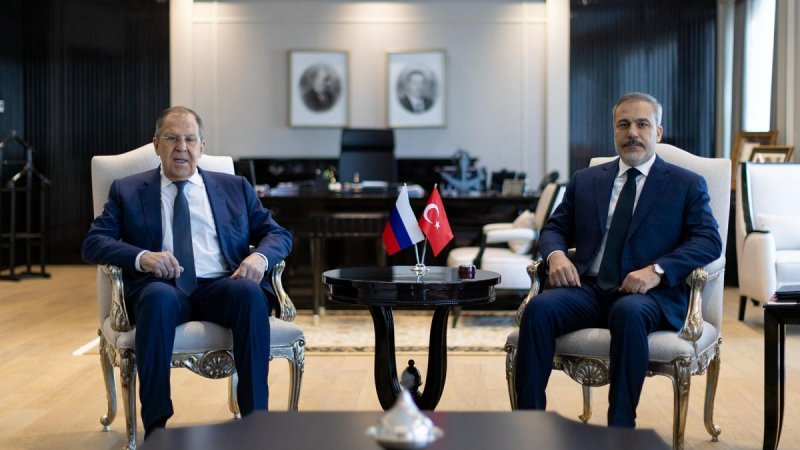
Russian Foreign Minister Sergey Lavrov visited Türkiye on February 24, 2025, for high-level discussions on key regional issues, including the ongoing Ukraine conflict. During his visit, Lavrov and Turkish officials underscored Türkiye’s role as a mediator in peace negotiations.
Turkish Foreign Minister Hakan Fidan reaffirmed Türkiye's readiness to host further talks between Ukraine and Russia, emphasizing Ankara’s commitment to diplomatic efforts. Lavrov, in turn, reiterated Russia’s strong opposition to Ukraine’s NATO membership and stressed the importance of securing a lasting peace settlement that aligns with Russia’s interests. The discussions also touched on broader regional concerns, including developments in Syria and the South Caucasus.
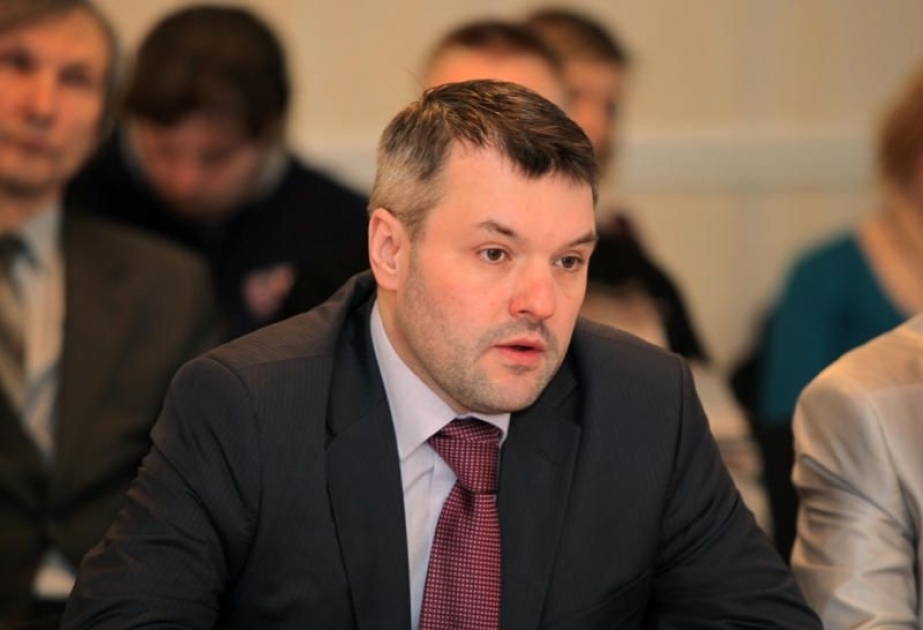
News.Az analytical portal sought insight from Russian political analyst Dmitry Solonnikov on the key takeaways and implications of Lavrov’s visit.
According to Solonnikov, Lavrov’s visit to Ankara is part of an extensive diplomatic initiative that continues to shape Russian-Turkish relations:
“Lavrov arrived in the Turkish capital on February 23, following earlier diplomatic engagements with Türkiye's Foreign Minister Hakan Fidan. The two had already met and held discussions, laying the groundwork for further talks. This visit marks another phase in their ongoing negotiations. However, diplomatic engagement between the two countries does not end here. This week, the Chair of the Federation Council of Russia, Valentina Matviyenko, is also scheduled to visit Ankara.
This demonstrates that Russian-Turkish diplomacy is not a short-term response to a specific event but rather part of a broader, ongoing process. It is a continuous and systematic dialogue addressing a range of bilateral issues in a constructive manner. When discussing the current situation, this long-term approach is its defining feature.”
Source: Daily Sabah
Solonnikov noted that Russia has been keeping Türkiye informed about its ongoing talks with the United States:
“Sergey Lavrov spoke about this during the G20 Foreign Ministers' Summit in Johannesburg, where preparations for the upcoming G20 Summit were underway. There, he delivered a speech and held meetings with international partners.
Russian President Vladimir Putin has also stated that he will inform all BRICS leaders about the ongoing negotiations with Donald Trump. This issue remains central to international diplomacy and was undoubtedly discussed in Lavrov’s meeting with Fidan.
The situation remains fluid, with signals from Yerevan adding further complexity to the overall geopolitical landscape. At the same time, discussions surrounding the Ukrainian conflict continue to be relevant, as foreign ministers from Russia and Armenia exchange views on global security challenges. These long-term negotiations underscore the intricacies of international relations, highlighting the absence of an immediate resolution while diplomatic efforts persist.”

Source: Middle Eastern Eye
Meanwhile, Ukrainian President Volodymyr Zelensky’s recent visit to Ankara signals a shift in Kyiv’s diplomatic strategy. However, Solonnikov suggests that this move may be more reflective of broader U.S.-Russia negotiations rather than an immediate resolution to regional tensions. Ukraine’s fluctuating diplomatic activity underscores its precarious position on the global stage.
Despite the uncertainties, Russia and Türkiye continue to deepen their strategic partnership through frequent high-level exchanges. The upcoming visit of Russian Senate Speaker Valentina Matviyenko to Ankara is expected to further reinforce this cooperation, signaling the steady evolution of geopolitical dynamics between the two nations.
Dmitry Solonnikov also addressed Russia’s military bases in Syria, emphasizing the ongoing diplomatic and military cooperation between Moscow and Damascus:
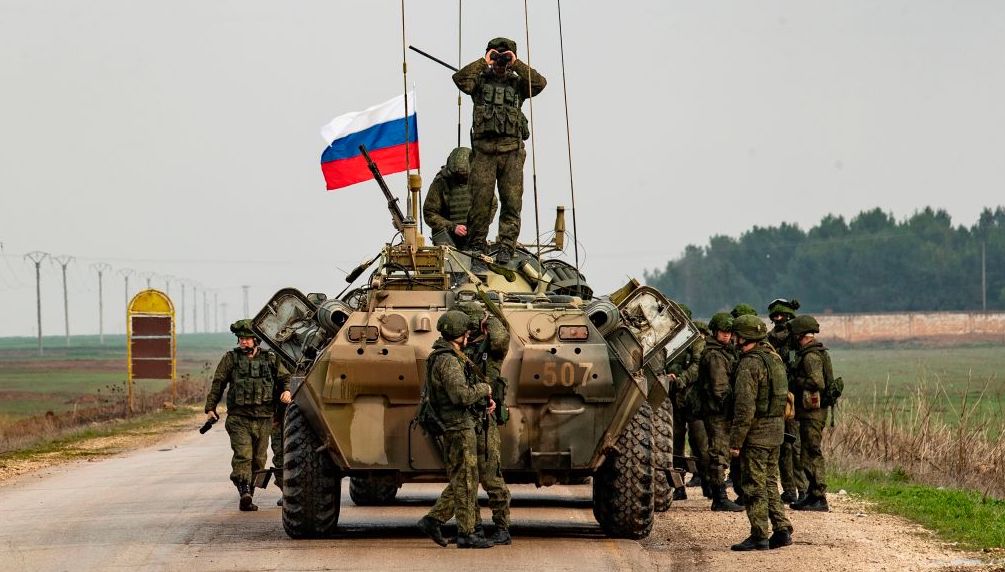
“Negotiations between Russian officials and the new Syrian government indicate a continuation of strategic dialogue in the Middle East. These discussions focus on the future of Russia’s military presence in Syria and its role as a guarantor of regional stability, particularly in Syria’s internal affairs.
Source: Middle East Institute
For the new Syrian leadership, this partnership remains critical, as Russia has played a key role in protecting Syrian Christians, ensuring their cultural, spiritual, and physical security amid the prolonged conflict. Beyond military cooperation, Russia’s presence in Syria is also vital for maintaining internal stability and fostering dialogue.
These negotiations are not only crucial for Syria but also hold significant implications for the broader Middle Eastern geopolitical landscape. Given Russia and Türkiye’s historically intertwined interests in the South Caucasus and regional security, efforts to engage Ankara in this dialogue are likely to continue. Maintaining these ties will be essential as the region navigates evolving challenges.”


Similar news