European Parliament has gone too far


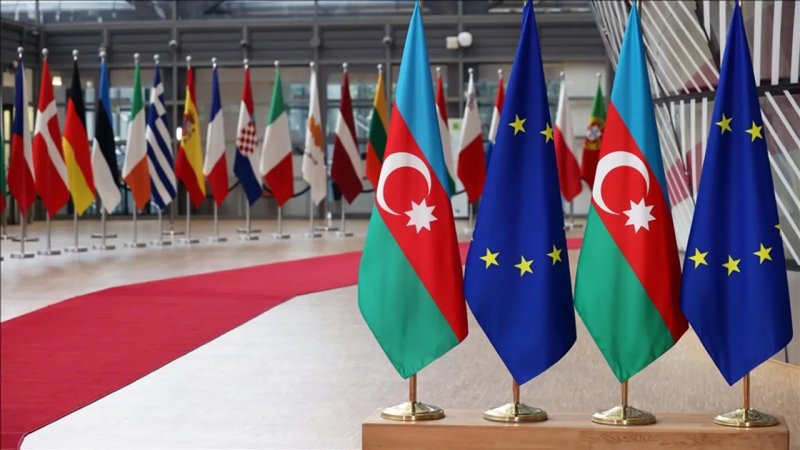
The rupture between the European Parliament and Azerbaijan no longer appears to be an accidental diplomatic episode, but rather the logical outcome of accumulated contradictions. It is no longer just a series of resolutions and counterstatements — it reflects a deeper transformation in Baku’s relations with European institutions.
The issue is now less diplomatic and more political in nature. The contradictions have been building for years, and the already fragile relationship has finally broken down, News.Az reports.
The decision by the Milli Majlis to fully suspend parliamentary interaction with the European Parliament was an expected outcome.
RECOMMENDED STORIES
Azerbaijan’s parliament has launched the procedure to withdraw from the Eastern Partnership Parliamentary Assembly. The final trigger was the resolution adopted on 30 April, calling for the return of Armenians who voluntarily left Karabakh. Following its adoption, EU Ambassador Marijana Kujundžić was summoned to Azerbaijan’s Foreign Ministry and handed a note of protest.
For a long time, Baku sought to maintain a working format of communication with Brussels, guided by the principle that dialogue is preferable to confrontation. However, dialogue requires reciprocity. In this case, there was no reciprocal engagement. Instead, only the European Parliament issued pre-prepared resolutions containing sweeping accusations.
In recent years, the European Parliament has adopted dozens of critical resolutions on Azerbaijan. Baku has been portrayed as the guilty party both before and after the 2020 war, as well as before and after the anti-terror operation of September 2023. In this narrative, Azerbaijan is consistently assigned responsibility. Although these resolutions have no binding legal force, they are presented as moral and political judgments and are often treated as such within EU institutions. This has been a major source of dissatisfaction on the Azerbaijani side.
When voting for yet another critical resolution, members of the European Parliament ignored the argument that Azerbaijan has acted within the framework of international law and the UN Charter, which recognises the right to self-defence. The 2020 war is viewed by Baku as an exercise of that right. Criticism of the 2023 anti-terror operation is seen by Azerbaijan as interference in its internal affairs, given that Karabakh is internationally recognised as part of its sovereign territory. In this view, the European Parliament exceeds its mandate. This is particularly notable given that Azerbaijan is neither an EU member nor seeks membership.
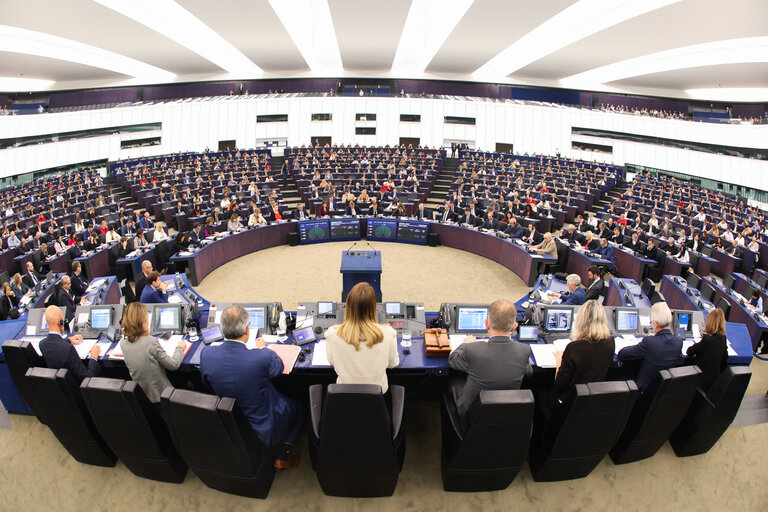
European Parliament resolutions are political declarations rather than legally binding acts. However, within European institutions they contribute to shaping negative perceptions of Azerbaijan.
Parliamentary diplomacy can only function on the basis of mutual respect and equality between parties. When a platform becomes a mechanism of political pressure, participation loses meaning. Against this backdrop, Azerbaijan has moved beyond symbolic steps, towards a broader institutional rollback: suspending the EU–Azerbaijan Parliamentary Cooperation Committee, initiating withdrawal from Euronest, and refusing participation in joint initiatives.
This is by no means a demarche. It is the result of processes that have been unfolding and intensifying over the past decade within the European Parliament. From this perspective, double standards, selective approaches and perceived bias have gone unanswered for too long.
According to this view, lobbying activity on Armenian-related regional issues within parts of the European Parliament has sought to advance Armenian interests by exerting political pressure on Azerbaijan. However, this objective has not been achieved. Instead, it has contributed to a gradual institutional rupture between Azerbaijan and EU structures.


Similar news