Russia–Ukraine war: Where the war stands right now


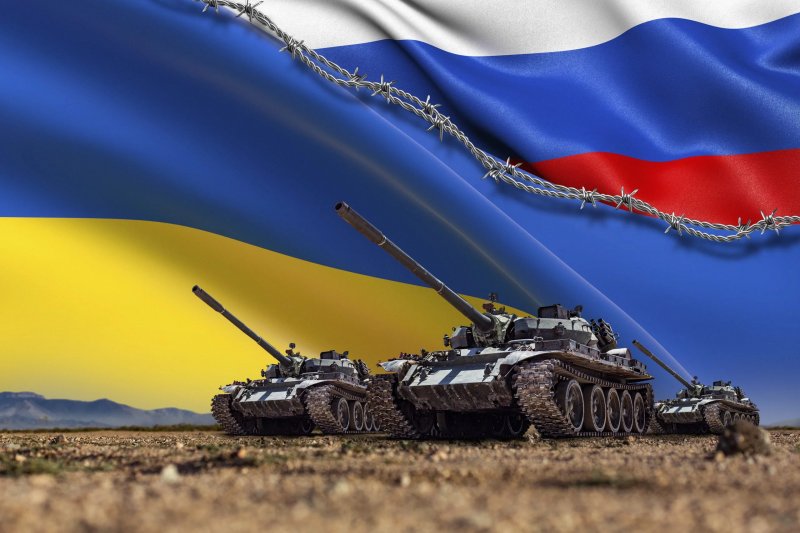
As February 2026 begins, the Ukraine-Russia war is being shaped by three forces moving in parallel.
These are continued grinding battles on the eastern front, a sustained long range air and drone campaign affecting civilian infrastructure, and a renewed but fragile push for diplomacy that has yet to produce a decisive breakthrough, News.Az reports.
RECOMMENDED STORIES
- Ukraine intercepts Russian communication balloon as border tensions with Belarus persist
- Ukrainian forces strike Russian shadow fleet vessels near Novorossiysk - VIDEO
- Azerbaijan facilitates transit of Russian fertilizer shipment to Armenia
- Academy Awards set strict human-only limits on AI for 99th Oscars
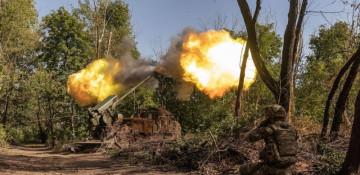
On the battlefield, the most intense pressure remains in eastern Ukraine, particularly around the transport hub of Pokrovsk and nearby Myrnohrad in Donetsk region. Fighting there reflects the broader character of the war. It is no longer defined by rapid advances or large scale maneuvers, but by incremental movement, heavy use of artillery and guided aerial munitions, and constant pressure on logistics and supply lines.
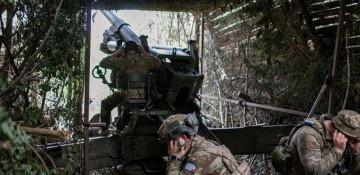
Ukrainian military statements describe intense close range engagements, with Russian forces attempting to advance by combining infantry assaults, guided bombs, and pressure on flanks and elevated terrain. Ukrainian units are focused on holding defensive pockets, maintaining supply routes, and slowing advances rather than conducting major counteroffensives. Independent assessments suggest Russian troops have entered parts of Pokrovsk while attempting to expand control toward nearby villages.
Pokrovsk’s importance is largely logistical. It functions as a transport and rail hub, and its loss would complicate Ukrainian movement and resupply across a wider section of the Donetsk front. For Russia, gaining control of the city would represent one of its most significant battlefield successes in recent months and would strengthen its negotiating position in any talks.
At the political level, the military situation is directly linked to diplomacy. Russia continues to demand that Ukraine relinquish remaining territory in Donetsk region, a condition Kyiv rejects outright. Ukraine, meanwhile, is attempting to defend what it holds while facing growing external pressure to explore a negotiated end to the war. In this phase, battlefield outcomes are not only tactical developments but also potential leverage points in future negotiations.
Front line pressure in the east
The fighting around Pokrovsk illustrates how the war has evolved into a battle of endurance. Progress is measured in small distances, but even limited territorial shifts can carry significant strategic consequences when they involve key infrastructure or transport corridors.
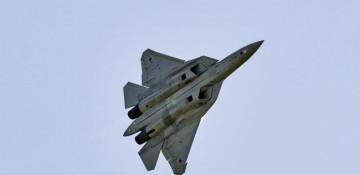
One of the defining features of this stage is the expanded role of air power. Ukrainian commanders have repeatedly pointed to gaps in air defense coverage that allow Russian aircraft to use guided bombs with increasing frequency. When air defense systems are stretched thin, Russian aviation can operate more freely, raising the cost of holding urban areas and complicating troop rotation and resupply.
Despite these pressures, Ukrainian forces have continued to hold defensive lines, though often at high operational strain. Manpower shortages, equipment wear, and constant bombardment are taking a cumulative toll. The situation remains fluid, with neither side achieving a decisive breakthrough, but with sustained pressure gradually reshaping the tactical landscape.
The air war and civilian impact
Beyond the front line, the air and drone war has become one of the most consequential elements of the conflict. Long range strikes affect not only military targets but also energy infrastructure, industry, and daily civilian life.
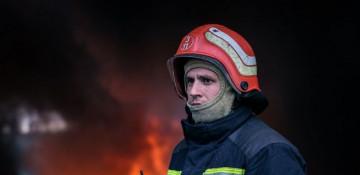
Ukraine continues to face large scale drone and missile attacks aimed at electricity generation, distribution networks, and heating systems. These strikes are designed to undermine economic stability and public morale, especially during colder months. Even when interception rates are high, debris and partial damage can disrupt services for millions of people.
President Volodymyr Zelenskiy has acknowledged shortcomings in air defense and civilian protection and has announced changes in how air defense units operate. These include adjustments in interceptor deployment, the reorganization of mobile fire groups, and efforts to rebuild short range air defense capabilities. Authorities are also focusing on faster repairs to damaged infrastructure and improved coordination between military and civilian agencies.
At the same time, Ukraine has increasingly used long range drones to strike targets deep inside Russia. These attacks have targeted industrial and energy related facilities and are intended to impose economic costs and demonstrate Ukraine’s ability to reach beyond the front line. Russian officials have reported fires at industrial sites and damage to residential buildings following such strikes.
The expanding use of drones by both sides reflects a broader shift in warfare. Unmanned systems are cheaper, harder to intercept, and adaptable. They force defenders to expend costly air defense resources and remain in a constant state of alert. The drone war is not only about physical damage but also about exhaustion and resource depletion.
Talks, timelines, and diplomatic uncertainty
Diplomacy has become more visible in recent weeks, but progress remains limited. Trilateral talks involving Russia, Ukraine, and the United States have resumed, producing humanitarian outcomes such as prisoner exchanges but no agreement on core political issues.
The main obstacle remains territory and security guarantees. Russia continues to press for recognition of its claims and Ukrainian withdrawal from contested areas. Ukraine insists on maintaining its territorial integrity and securing long term security assurances. These positions are fundamentally incompatible without major concessions from one side.
Time pressure is increasing. Ukrainian officials have indicated that the United States is pushing for progress within a defined timeframe, with expectations that talks could intensify in the coming months. While deadlines can encourage compromise, they can also prompt parties to harden their positions or intensify military operations to improve leverage.
European governments are seeking a stronger role in shaping any future settlement. European leaders have emphasized that any peace agreement must involve clear conditions placed on Russia, including humanitarian issues and security limitations. Europe’s leverage includes sanctions, frozen assets, and long term security arrangements, but its effectiveness depends on unity and coordination with other negotiating parties.
Ukraine’s domestic politics and legitimacy
Internal political planning in Ukraine is increasingly linked to the diplomatic process. Discussions are under way about holding presidential elections and a national referendum as part of a broader peace framework. Such steps would be intended to provide democratic legitimacy for any agreement that reshapes Ukraine’s future.
Conducting elections during wartime presents serious challenges. Security risks, the displacement of millions of citizens, and the participation of military personnel complicate logistics. There are also concerns about disinformation and external interference.
Nevertheless, the fact that election and referendum planning is being discussed suggests that Ukrainian leaders are considering how to align any diplomatic outcome with constitutional and democratic processes. Whether such plans can be implemented depends heavily on security conditions and the trajectory of the war itself.
Financial support and weapons production
Ukraine’s ability to continue fighting is tied closely to financial stability. International partners, particularly in Europe, have moved to establish multi year funding mechanisms aimed at avoiding sudden aid gaps. Large scale financial support is intended to cover budgetary needs, social spending, and defense procurement over the coming years.
These commitments are designed to give Ukraine predictability and reduce vulnerability to political delays. They also reflect an assumption that the war’s outcome will shape European security for decades.
At the same time, Ukraine is seeking to strengthen its domestic defense industry. The government has begun opening pathways for exporting certain domestically produced weapons and technologies, particularly drones and electronic warfare systems that have been tested in combat. The goal is to generate revenue, support industrial growth, and integrate Ukrainian firms into international defense supply chains.
This strategy carries risks. Exports must not undermine the needs of Ukrainian forces at the front. Balancing domestic requirements with international demand will be a key challenge as Ukraine tries to transition from emergency wartime production to a more sustainable defense industrial model.
The wider strategic picture
The war has increasingly become a contest of industrial capacity and endurance. Ammunition production, drone manufacturing, repair facilities, and logistics networks are as decisive as battlefield tactics.
Russia has significantly expanded its defense production and continues to rely on external suppliers to sustain high levels of firepower. This has reinforced concerns among European and allied governments that the conflict is part of a longer confrontation extending beyond Ukraine.
For Ukraine and its partners, this reality underscores the need for sustained, predictable support rather than short term measures. Scaling production, securing supply chains, and adapting to a drone dominated battlefield are central to long term strategy.
What to watch next
Several developments will indicate how the next phase of the war unfolds.
First, the scheduling and substance of the next round of talks will show whether diplomacy can move beyond symbolic gestures toward addressing core issues.
Second, developments on the eastern front, particularly around Pokrovsk and the wider Donetsk line, will shape both military and political calculations.
Third, improvements or failures in air defense and infrastructure repair will directly affect civilian resilience and public morale.
Fourth, the implementation of international financial support packages will determine whether Ukraine can maintain economic stability alongside military operations.
Finally, decisions regarding elections and referendums will influence how any future settlement is framed domestically and internationally.
Bottom line
The current phase of the Ukraine Russia war is defined by interconnected military, political, and economic dynamics. Ground battles influence negotiating leverage, air and drone campaigns shape civilian life and national resilience, and diplomatic timelines intersect with domestic political planning.
There is no clear indication yet that the war is approaching a definitive end. Instead, it remains a prolonged struggle in which incremental battlefield changes, sustained external support, and fragile diplomacy will determine whether the conflict moves toward negotiation, escalation, or continued attrition.
By Faig Mahmudov


Similar news