Tensions rise on the Kursk front


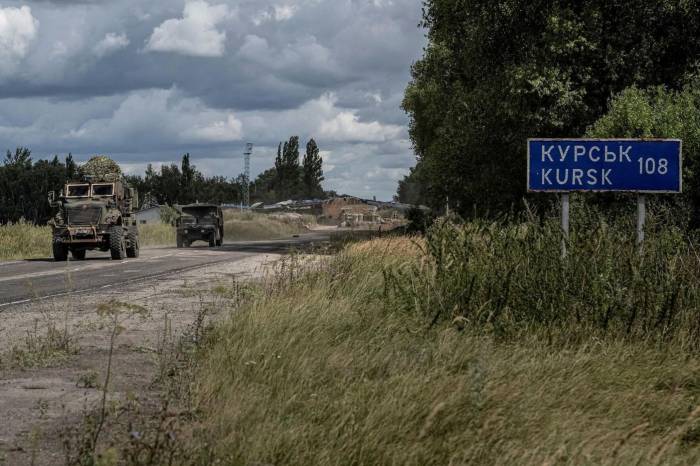
Recent days have seen a renewed escalation in eastern Ukraine. Military activities have intensified in the Kursk region and along the southern and eastern front lines. Both sides are targeting strategically important areas, seeking to strengthen their positions ahead of winter.
One of the most significant achievements has been the liberation of Olgovka and several villages near Lyubimovka, accompanied by active attacks near Plyokhovo. In the Glushkovo district, Ukrainian forces were pushed back to the border, marking a notable shift in control in the area, News.Az reports.Russian forces have intensified their operations, focusing on securing strategic advantages. While Ukrainian troops continue to resist, they have been forced to withdraw some units for regrouping and reinforcement. These maneuvers highlight the difficulty in holding positions amid sustained fire and logistical challenges.
In the southern sectors, the battlefront remains active. Russian troops have reported gains near Vuhledar and Pokrovsk, engaging in fierce skirmishes. Ukrainian forces are striving to maintain control of key nodes, though the growing pressure threatens to disrupt vital supply routes.
Amid the intensifying military operations, President Volodymyr Zelensky has continued his diplomatic tour of Europe. However, international analysts note a decline in European trust in Ukraine. Kyiv’s demands for NATO membership and additional arms support have sparked discussions but have not yet resulted in swift decisions.
While the United States and Germany have pledged new military aid packages, some European countries, such as France , plan deliveries only by 2025. This delay raises questions about Kyiv’s ability to sustain its efforts in the conflict.
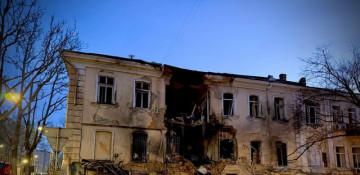
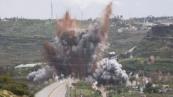
At the same time, Russian forces are striking Ukraine’s port infrastructure. Bombardments in the Odesa region have destroyed ammunition depots and disrupted shipping lanes, threatening Ukraine’s export capacity and economic plans.
Both sides are facing coordination challenges amid ongoing battles. The blocking of the Discord messenger in Russia has sparked media discussions, with concerns about its impact on operational communications in the conflict zone. Despite official claims that the ban won’t affect communications, soldiers have reportedly been using the platform, indicating a gap in official alternatives.
Ukraine is also experiencing difficulties with logistics and planning. Transporting heavy equipment is becoming increasingly complicated, making external support essential. Meanwhile, the Baltic States and Poland are pressing NATO to prepare for a potential escalation with Russia, emphasizing readiness for unforeseen developments.
Some European nations have stressed the importance of preparing for potential Russian threats. Leaders of the Baltic States and Poland have expressed their readiness to strengthen their defenses and take coordinated actions to mitigate unpredictable outcomes.
In conclusion, the situation in eastern Ukraine and the broader geopolitical landscape remain complex. The conflict presents both military and diplomatic challenges, requiring world leaders to strike a delicate balance between supporting Ukraine and avoiding further escalation.


Similar news