What is driving the latest Pakistan–Afghanistan military confrontation? - Expert explains


.png)
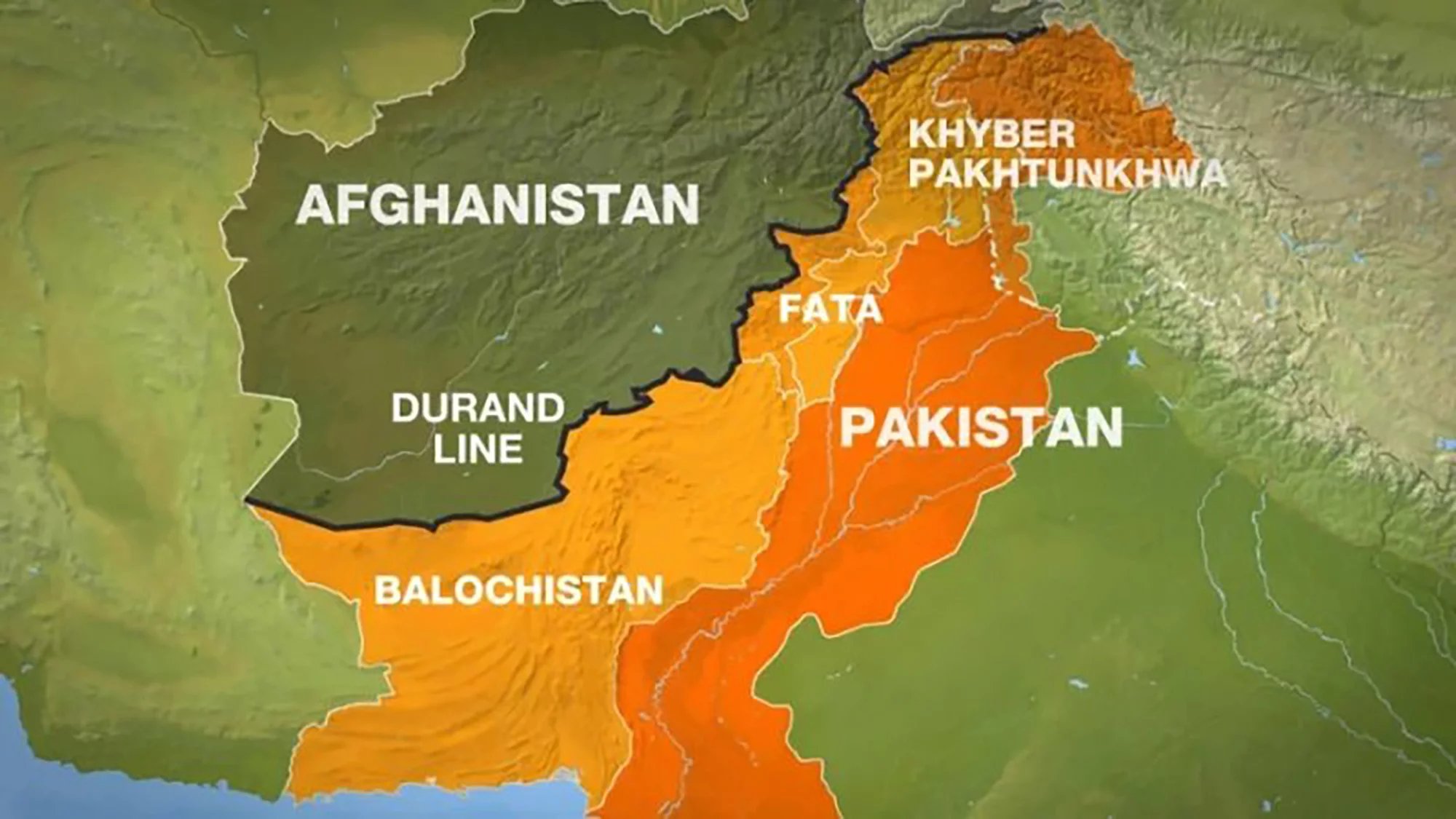
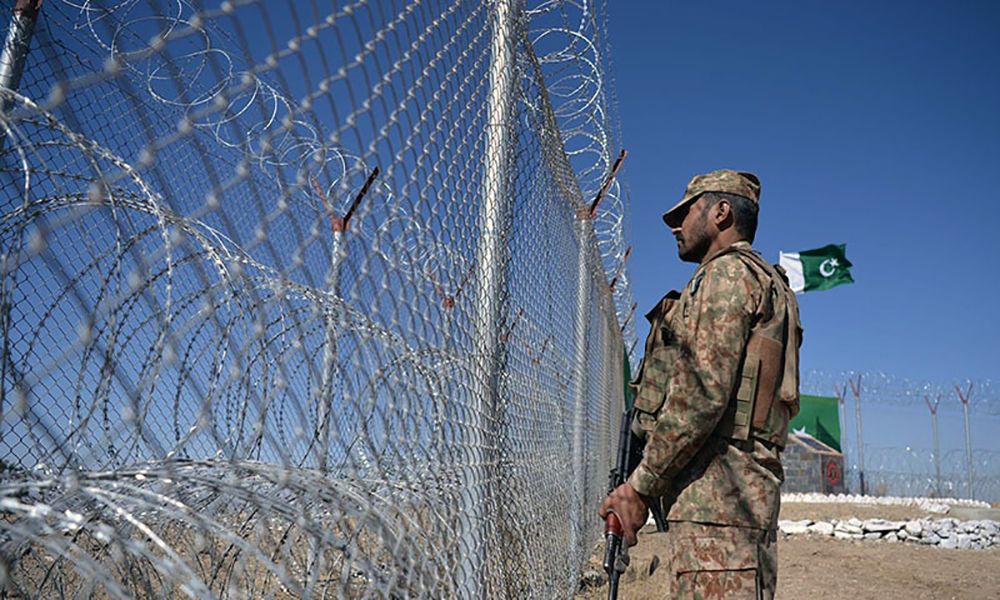
Pakistani and Afghan border forces clashed on Thursday night after the Taliban launched what it described as retaliatory strikes on Pakistani installations, sharply escalating tensions following days of cross-border hostilities.
According to Pakistani officials, Afghan forces opened fire on multiple posts in the country’s mountainous northwest, triggering more than two hours of intense fighting. The officials, who spoke on condition of anonymity as they were not authorized to brief the media, said Pakistani troops responded with return fire to repel the assault and secure their positions.
The exchange marks the latest spike in a rapidly deteriorating security situation along the frontier. In recent days, both sides have accused each other of initiating aggression, with Islamabad alleging that militant groups operating from Afghan territory have carried out deadly attacks inside Pakistan. Kabul has rejected those claims and, in turn, accused Pakistan of violating Afghan sovereignty through cross-border strikes.
RECOMMENDED STORIES
Local residents reported hearing heavy gunfire and explosions during the overnight confrontation, raising fears among civilian communities living near the border. There were no immediate confirmed casualty figures, and both governments have yet to release detailed official statements outlining losses or damage.
The latest clash underscores growing mistrust between the two neighbors and heightens concerns that tit-for-tat military actions could spiral into a broader confrontation unless urgent diplomatic efforts are undertaken to de-escalate tensions.
The News.Az analytical portal spoke with Muhammad Asif Noor, analyst and political scientist and Executive Director of the Pakistan Institute of Peace and Diplomatic Studies, to provide clarity on the rapidly escalating situation along the Pakistan-Afghanistan border.
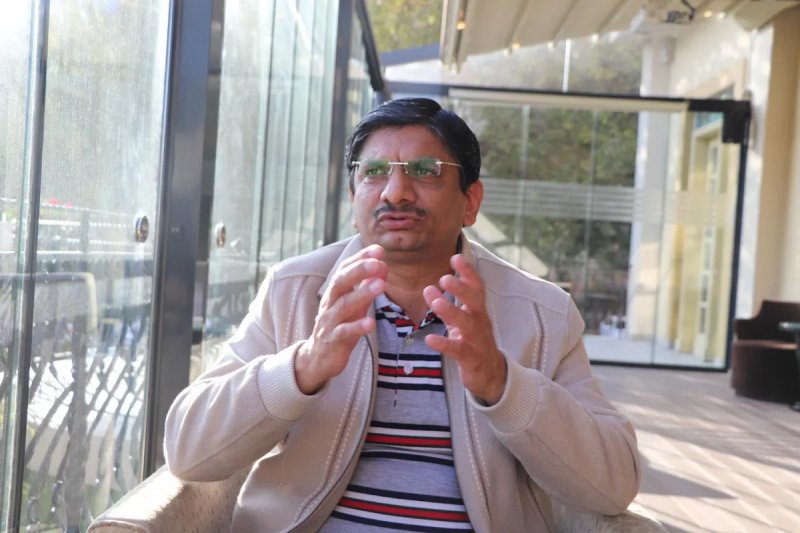
Photo: Muhammad Asif Noor, analyst and political scientist, Executive Director of the Pakistan Institute of Peace and Diplomatic Studies
According to Asif Noor, the latest Pakistan-Afghanistan flare-up did not begin with a single border incident, nor can it be reduced to a spontaneous military confrontation. Rather, it emerged from what he described as an accumulation of terrorist attacks inside Pakistan that the state believes were enabled by sanctuaries and handlers operating from Afghan soil.
He noted that in recent weeks Pakistan has experienced a sharp rise in high-casualty incidents. Among them was the February 6 bombing of an imambargah in Islamabad, followed by deadly attacks in Khyber Pakhtunkhwa and the killing of high-ranking soldiers in border regions by militants affiliated with Tehreek-e-Taliban Pakistan. These incidents, he explained, significantly hardened public opinion and security calculations in Islamabad.
“In this environment, frustration in Islamabad evolved into a hardened security doctrine,” Noor said. “The message became explicit: if attacks are planned or facilitated from across the border and Kabul fails to act, Pakistan will take action itself.”
That shift, according to Noor, moved from rhetoric to military execution on February 23, when Pakistan carried out overnight airstrikes in Afghanistan’s Nangarhar and Paktika provinces. Islamabad described the operation as intelligence-driven and selectively targeted at seven camps allegedly linked to Tehreek-e-Taliban Pakistan and the Islamic State – Khorasan Province.
He said Pakistani officials framed the strikes as proportionate and necessary to prevent imminent threats, arguing that militant groups were embedding near civilian populations in an attempt to use them as human shields. “Kabul, however, rejected the operation as a violation of Afghan sovereignty and alleged that civilians had been harmed,” the expert added.

Source: The Friday Times
Asif Noor noted that by the early hours of February 27, the situation escalated dramatically, with Pakistan’s Defense Minister Khawaja Asif describing the unfolding developments as “open war.” “Pakistani aircraft reportedly struck targets in Kabul, Kandahar, and Paktia under an operation referred to as ‘Ghazab Lil Haq,’ targeting what Islamabad described as Taliban installations and Tehreek-e-Taliban Pakistan hideouts,” he said, noting that explosions were reported in the Afghan capital, with both sides acknowledging the strikes.
The expert said that simultaneously, intense clashes erupted along multiple border sectors, including Chitral, Khyber, Mohmand, Kurram, and Bajaur, with Pakistan claiming to have inflicted significant casualties on Afghan forces while repelling cross-border advances. Taliban spokesman Zabihullah Mujahid framed Afghanistan’s actions as defensive and even announced a temporary halt to firing amid reports of internal dissent. “However, reports of the seizure of posts and the use of religious mobilization rhetoric suggested a far more assertive posture on the ground,” he added.
The expert further said that key border crossings, including Torkham and Chaman, were sealed, disrupting trade flows and worsening humanitarian pressures in already fragile communities. He added that casualty figures remain disputed, but the human toll is reportedly rising, with civilians increasingly caught in crossfire. “International reactions have called for restraint, while the United States has expressed concern over the risk of broader regional instability, highlighting anxieties about Afghanistan’s reliability as a security partner,” he said.
Asif Noor traced the roots of the current crisis back to the Taliban’s 2021 takeover in Kabul. “Initially, many in Pakistan viewed the development with cautious optimism, expecting improved border security and strategic alignment. That optimism, however, quickly faded as evidence mounted that the Afghan Taliban were providing safe havens to Tehreek-e-Taliban Pakistan, widely regarded as Pakistan’s most persistent domestic militant threat,” he said.
Tehreek-e-Taliban Pakistan operatives are believed to be operating from Afghan provinces such as Nangarhar, Paktika, and Khost, using them as staging grounds for cross-border attacks. “Islamabad views this harboring as deliberate, potentially driven by ideological affinity or as leverage against Pakistan’s fencing efforts along the Durand Line,” the expert said.
“The result has been a dramatic surge in militancy inside Pakistan,” Noor argued, adding that incidents linked to Tehreek-e-Taliban Pakistan reportedly increased sharply between 2024 and 2025, causing significant casualties in areas such as Bannu and Bajaur and even in urban centers including Islamabad. “The economic and human costs have been severe, compounding existing fiscal and political pressures in the country.”

Source: Al Jazeera
According to the expert, Islamabad also maintains that international bodies, including the United Nations, have acknowledged concerns regarding Afghan territory being used by terrorist groups. “From Pakistan’s perspective, Kabul’s failure to act decisively against Tehreek-e-Taliban Pakistan elements has eroded strategic patience, particularly following the recent killing of senior military officers in a border ambush,” he noted.
Asif Noor further said that Pakistan’s earlier airstrikes targeting militant camps in Nangarhar and Paktika were condemned by Kabul as violations of sovereignty, with claims of civilian casualties. In response, Afghan forces reportedly launched a large-scale border offensive, claiming to have captured multiple Pakistani outposts and inflicted losses.
“At its core, the crisis revolves around Pakistan’s belief that Afghanistan is fueling its militancy crisis by tolerating or supporting Tehreek-e-Taliban Pakistan elements,” Noor emphasized, noting that from Islamabad’s viewpoint, this amounts to an export of instability at a time when Pakistan is struggling with economic recovery and political uncertainty.
“Historically, instability in Afghanistan has repeatedly spilled over into Pakistan, whether during the Soviet occupation or the post-September 11 insurgency period. However, the current cycle appears intensified by governance gaps, limited counterterrorism cooperation, and hardened border disputes,” Noor observed.
The pattern now resembles a self-reinforcing escalation cycle as Tehreek-e-Taliban Pakistan attacks trigger Pakistani strikes. “Pakistani strikes provoke Afghan retaliation. Retaliation deepens mistrust and undermines what were once described as ‘brotherly’ ties between the two neighboring states,” he underscored.
Source: Reuters
Looking ahead, Noor assessed that the near-term outlook suggests a tense and unstable equilibrium rather than immediate de-escalation. “Border sectors such as Torkham and Tirah remain high-friction zones. The central question is whether the confrontation remains a limited military exchange or escalates into a prolonged conflict,” he noted.
The expert said in the short term, tit-for-tat operations are likely to continue, and Pakistan may hope that sustained military pressure will lead to Taliban concessions regarding Tehreek-e-Taliban Pakistan activity. “However, if Kabul responds asymmetrically through intensified cross-border militancy or expanded alliances with other armed groups, the risks will multiply,” he added.
“Such a trajectory could draw in regional actors, complicate diplomatic balances, and potentially lead to deeper military engagement,” Noor suggested, adding that the best-case scenario would involve external mediation encouraging de-escalation and the revival of structured dialogue mechanisms similar to earlier engagement frameworks. “The worst-case scenario would see a prolonged conflict that destabilizes the region, generates refugee flows, disrupts trade corridors, and empowers extremist organizations such as the Islamic State – Khorasan Province,” he said.
“At present, the crisis stands at a critical juncture. Whether it stabilizes into managed hostility or escalates into sustained warfare will depend on political restraint, credible counterterrorism cooperation, and the willingness of both capitals to step back from the brink,” the expert said in conclusion.


Similar news